If you want storage ideas for attic rooms that actually work (and don’t end in returns), start with this: attic rooms aren’t “normal” storage spaces. Slopes shrink your usable height, dust is constant, and awkward carrying angles make heavy or unstable setups risky fast.
If you want the how-to (what’s safe to store, how to work around trusses, and the setup rules that prevent attic chaos), our detailed guide covers it step-by-step – Attic Storage Ideas.
Everything below is Amazon-only product picks. No extra objectives. Just the stuff that tends to work in real attic rooms.
What you’ll learn
- Which product types make attic rooms easier (bins, shelving, hooks, lighting)
- What to measure before you buy (so things actually fit under the slope)
- A “buy less, store safer” checklist that matches attic reality
Note: Some of the links in this article are affiliate links. That means we may earn a small commission if you purchase, at no extra cost to you. We only recommend pieces we’d happily use ourselves.
Quick “measure-first” checklist (so you don’t buy the wrong stuff)
- Lowest clearance zone height (where bins need to slide)
- Walkway width (what you can carry safely without twisting like a circus act)
- Access opening size (hatch/door/ladder opening)
- Best storage zones (gable ends, knee walls, higher-clearance corners)
The #1 regret we see with attic-room storage buys is “it fit online… but not under the slope.” Measure the lowest point, and you’ll dodge most returns.
30+ Amazon product recommendations for attic rooms
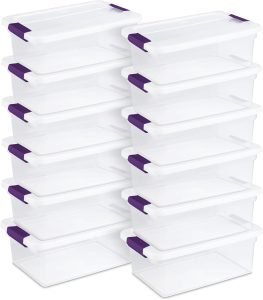
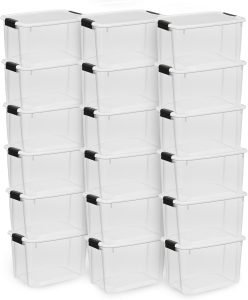
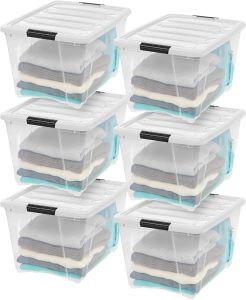
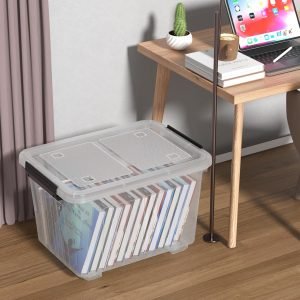
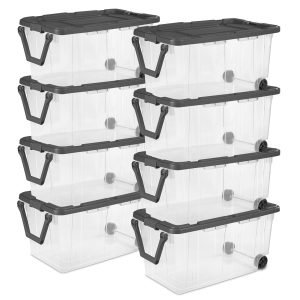
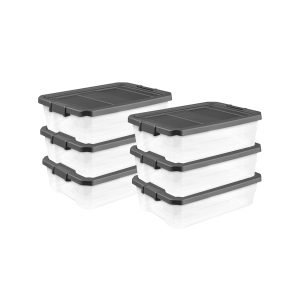
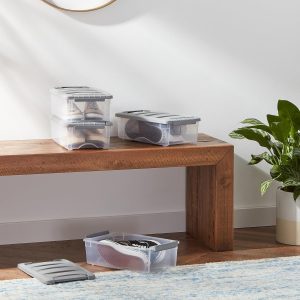
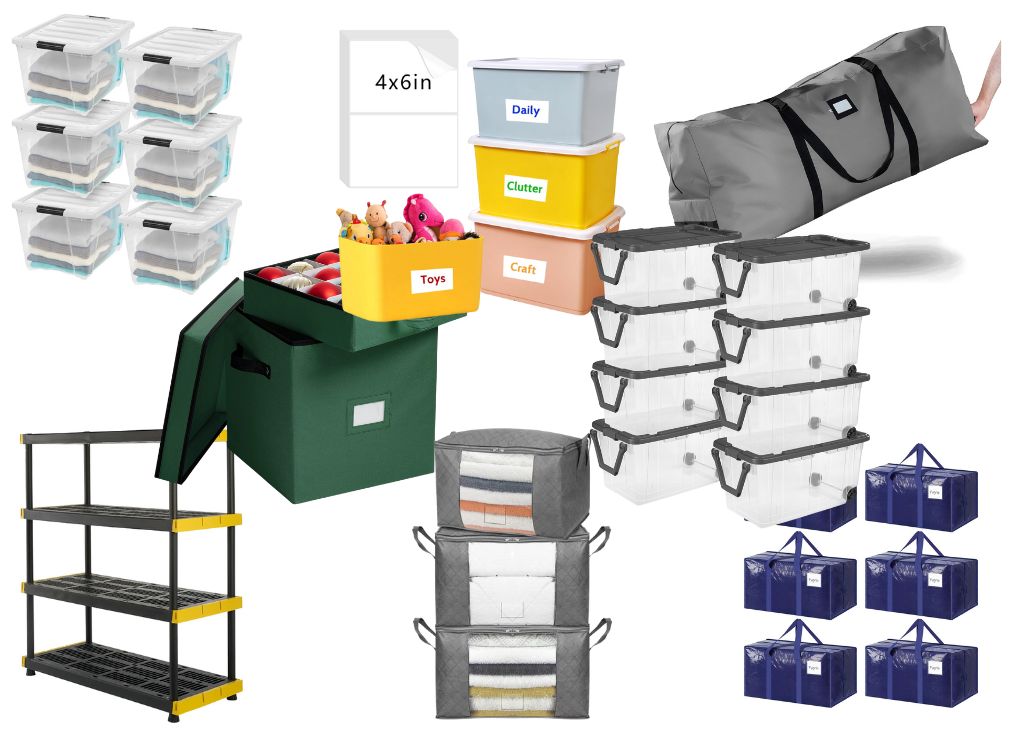
1. Clear, lidded bins (your default attic container)

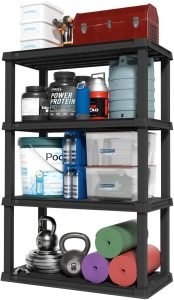
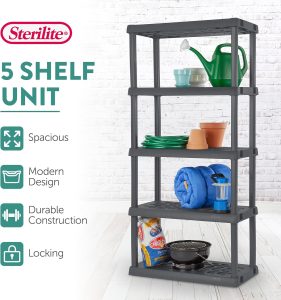
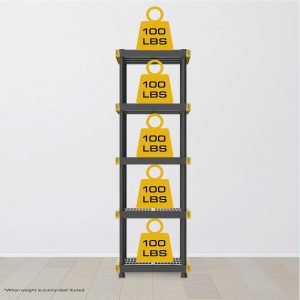
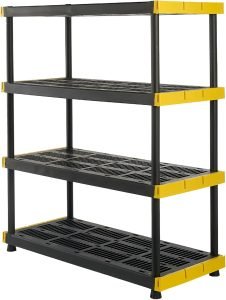
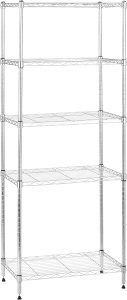
2. Shelving for gable ends + higher-clearance zones
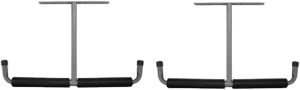
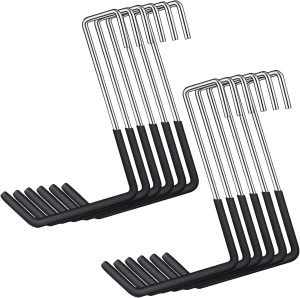
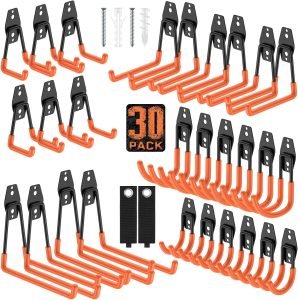
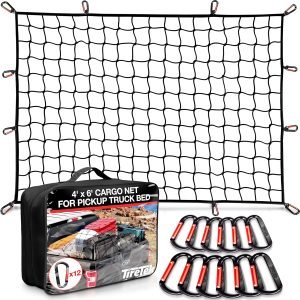
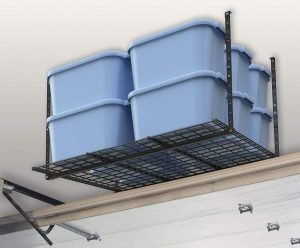
3. Hanging + overhead storage for awkward slopes
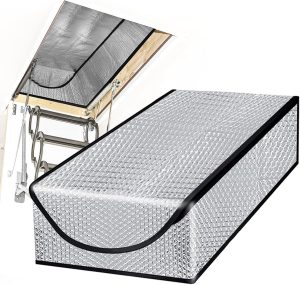
4. Attic access + insulation covers (pull-down ladders / hatch doors)
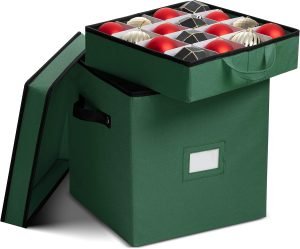
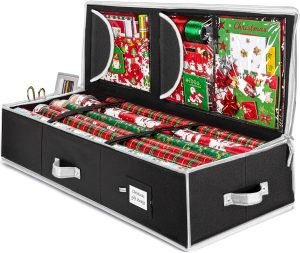
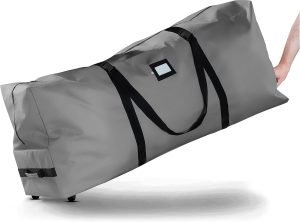
5. Holiday + seasonal “odd-shape” organizers (stuff that never stacks right)

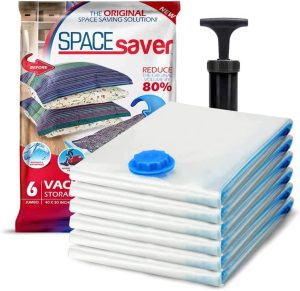
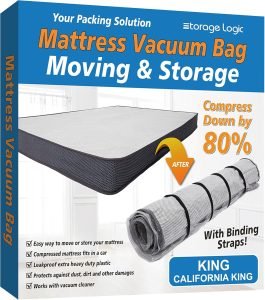
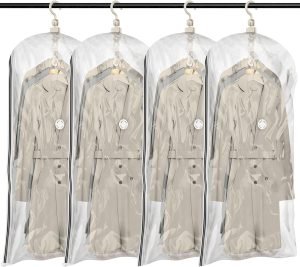
6. Space-savers for soft goods (when climate allows)
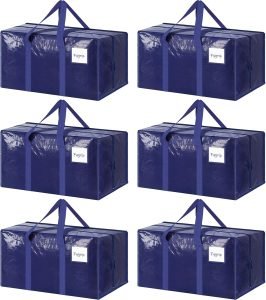
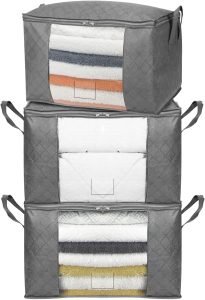
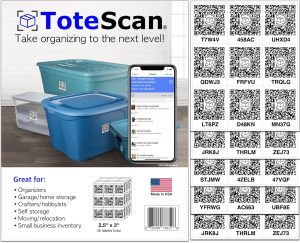
7. Labeling + tracking (so you can find things without moving stacks)
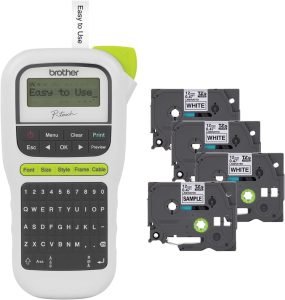
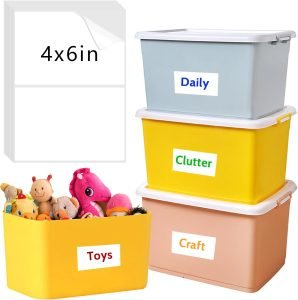
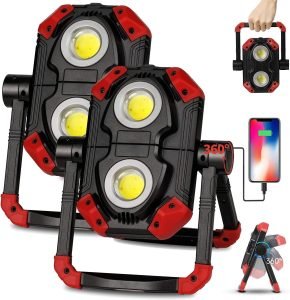
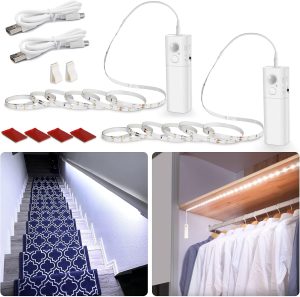
8. Lighting for dark attic rooms (hands-free beats phone flashlig
How we chose these Amazon picks
Attic rooms are rough on storage. Dust happens. Temperature swings happen. And slopes make “normal” storage awkward fast.
Our shortlist leaned toward:
- Sealed or latch-lid options (because dust + pests + humidity swings are real)
- Stable stacking (standard sizes beat random bins that wobble)
- Light-to-medium duty (attics usually aren’t the place for heavy loads)
- Hands-free lighting (phone flashlight = chaos, and also… tripping risk)
- Low-clearance-friendly shapes (shorter, wider bins and modular setups)
And yes, this is also about reducing decision fatigue. If you only ever buy 2-4 bin styles, everything gets easier.
What people actually repurchase for attic rooms
- A low-profile bin style that slides under slopes
- One deeper tote style for higher-clearance areas
- A label maker + big labels (front + top, always)
- At least one hands-free light per zone (hatch area + back corner = fewer risky trips)
The “don’t regret this later” buying checklist
- Confirm dimensions fit your lowest clearance area (not the tall corner)
- Choose latch lids if dust/pests are even a mild concern
- Keep shelving for light-to-medium items unless you’re sure about structure
- Prefer hands-free lighting over cords across walk paths
- Don’t store valuables up there if your attic room runs hot or humid seasonally
These simple checks make the best storage ideas for attic rooms actually usable long-term, without risky lifting, wobble stacks, or constant re-buying.
FAQs
What should I measure before buying storage for an attic room?
Are wire shelves okay for attic rooms?
What type of bins work best under sloped ceilings?
Shorter, wider bins with latch lids tend to slide under slopes without wasting space. Standardizing 2-4 bin sizes also makes stacking more stable and easier to maintain.
Do I really need special lighting in an attic room?
If the space is dim, yes, hands-free lighting is a safety upgrade. It reduces trips, fumbling, and awkward carrying with a phone flashlight.
The best storage ideas for attic rooms aren’t the fanciest, they’re the ones that fit under the slope, stack safely, and are easy to retrieve without turning it into a balancing act.
Start small: measure the lowest clearance, pick one low-profile bin style, add labels on two sides, and place one hands-free light near the access point. That’s enough to make an attic room feel usable fast.