1.6K
If your shelves are overflowing, these pantry storage tips will give you a reset you can finish today. In 30 minutes, I’ll show you how to organise your pantry fast: clear bins, simple labels, and a shelf-by-shelf map you can keep. You’ll also see budget-friendly storage containers for pantries and door organizers that stretch every inch.
The Pantry Reset
A pantry reset is a short, focused makeover that creates order with pantry organizer bins, a few clever racks, and clear labeling. Do it when groceries start crowding, you can’t find staples, or food expires unseen. The goal is to create a repeatable system, not a Pinterest marathon.
Benefits and when to do it
- Faster meal prep and easier grocery lists.
- Fewer duplicates; less waste.
- Kid-friendly access to snacks without tearing the pantry apart.
- Ideal before holidays or school terms, or any time you’ve got more time on your hands.
The Organization Map (Step-by-Step How-To)
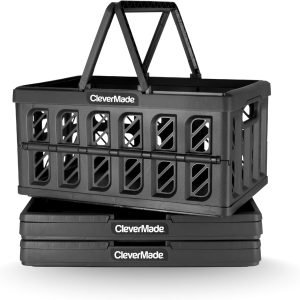
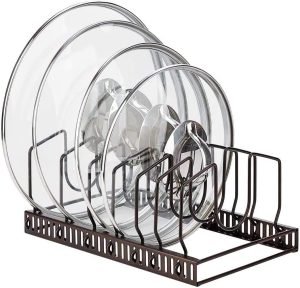
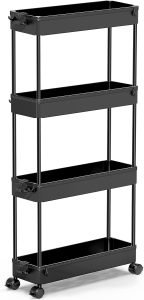
Tools: trash/recycle bags, microfiber cloth, labels/marker, 6 bins, shelf risers, can rack, door rack.
1. Quick pull + wipe
- Pull everything you see in the front 2 rows of each shelf.
- Toss stale, donate sealed extras, and wipe shelves fast.
Pro tip: Keep a “use first” bin for items that expire within 60 days.
2. Sort into 6 “store like with like” zones
- Breakfast & baking
- Dinner kits & pasta/grains
- Snacks (kid/teen shelf helps)
- Cans & jars
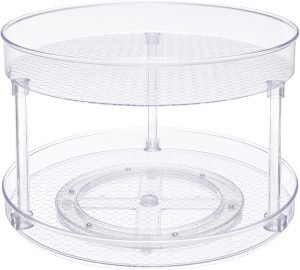
- Oils/condiments (in a leak-proof bin or turntable)
- Backstock (extras you bought on sale)
Common mistake: Mixing backstock with everyday items. Keep extras higher or lower, apart from daily reach.
3. Decant + label fast movers
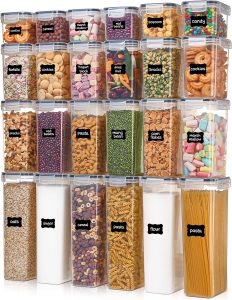
- Decant only items you open weekly: cereal, rice, flour, sugar, snack packs.
- Use pantry clear containers with tight lids; size for the shelf height.
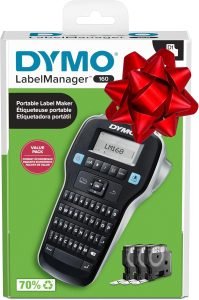
- Label front with the name; write the expiration month small on the back.
4. Contain by category (bins, racks, risers)
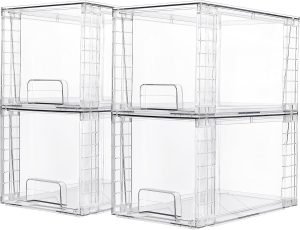
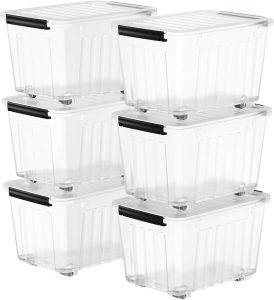
- Clear bins for pantry categories: one bin = one purpose.
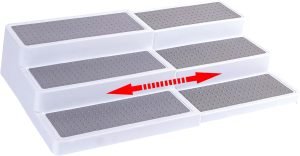
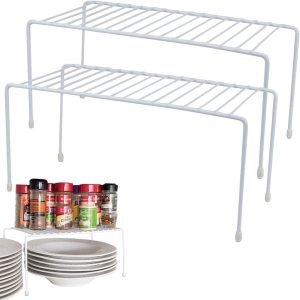
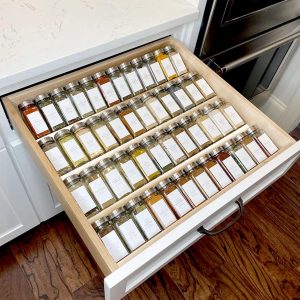
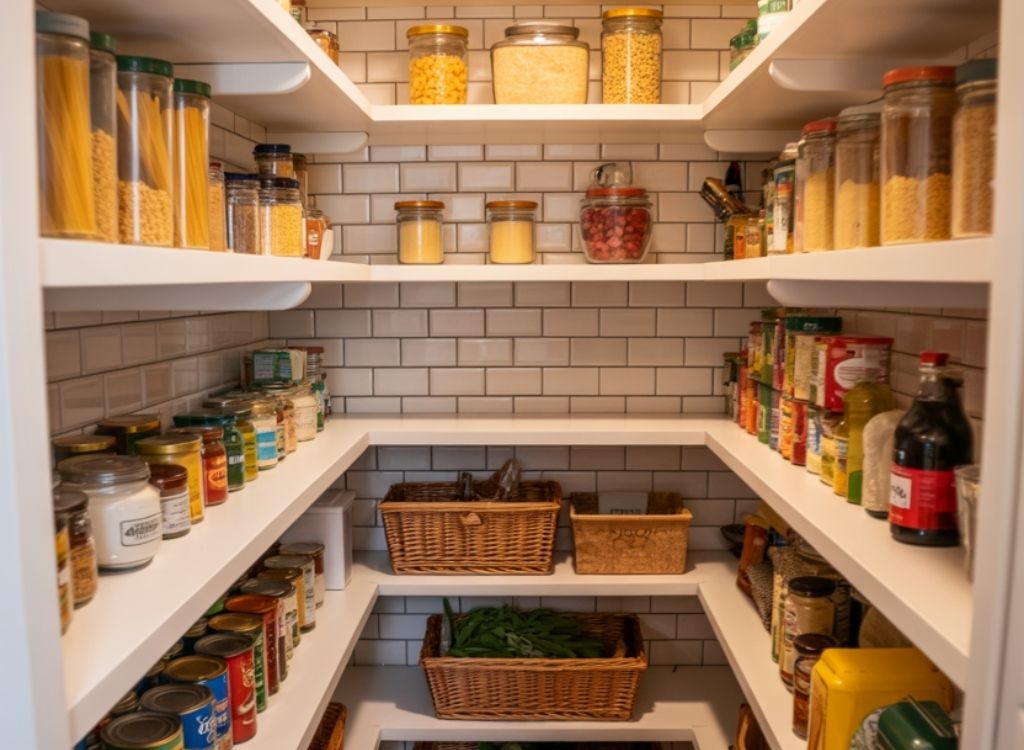
- Add tiered shelf risers for jars/spices; nothing hides behind.
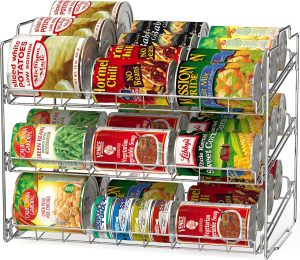
- Load a can organizer for pantry to keep labels visible and FIFO (first in, first out).
5. Vertical space win (wire racks, door space)
- Add wire racks for pantry to split tall shelves into two layers.
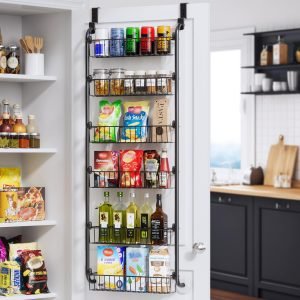
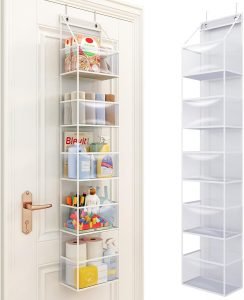
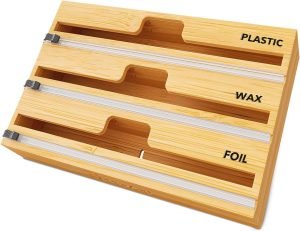
- Hang an over-the-door pantry organizer/organizer for pantry door for packets, wraps, and foil.
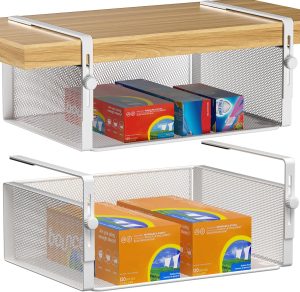
- Use slim pull-out drawer baskets for deep shelves (install notes in FAQ).
6. Final map, labels, and restock rules
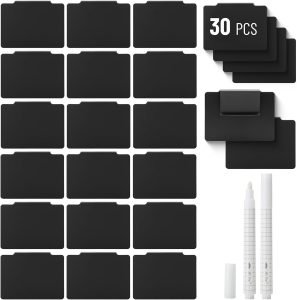
- Place zone labels on shelf edges (e.g., “Snacks,” “Dinner Kits”).
- Tape a pantry map inside the door.
Restock rule: when a bin is 2/3 empty, add to your list.
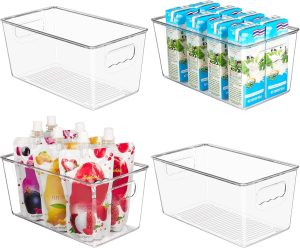
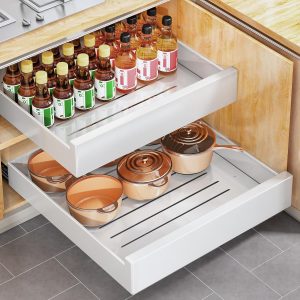
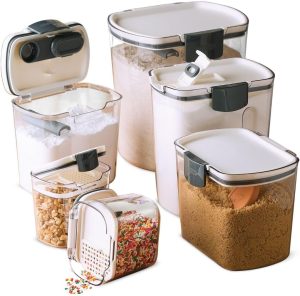
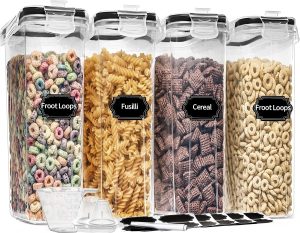
Examples & Templates You Can Copy
Small pantry (apartment/condo)
- Top shelf: Backstock in two large baskets (lightweight).
- Eye-level: Breakfast + Snacks in clear bins; one 10–12″ turntable for oils.
- Lower: Dinner kits + grains in stackable bins; can rack on the floor.
- Door: 4-6-tier rack for packets, baking mixes, tea.
Family pantry (kids + bulk)
- Top: Party supplies + paper goods.
- Eye-level: Dinner kits; baking zone with decanted flour/sugar.
- Kid shelf: Snacks in two bins: “school” and “home.”
- Floor: Bulk rice/cereal in airtight containers with wheels.
- Door: Wraps, baggies, seasoning packets.
Deep shelves/corner pantry
- Use extra-long bins as pull-out drawers so nothing gets lost.
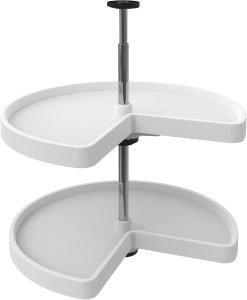
- Place a turntable in corners for sauces.
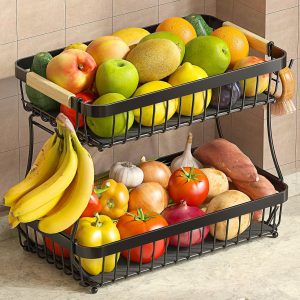
- Add undershelf wire baskets to catch tortillas, onions, or potatoes (vented).
Pantry Food Storage Ideas That Prevent Waste
- FIFO always: Put new items behind opened ones.
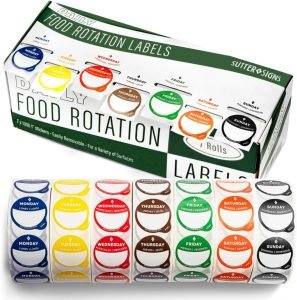
- Date dots: Small stickers on the back of decanted containers.
- “One open at a time” rule: Especially for sauces and snacks.
- Produce zone: Ventilated bins for onions/garlic/potatoes; keep away from sunlight.
- Meal-starter bins: Group pasta + sauce, or taco shells + seasoning in grab-and-go kits.
- Backstock buffer: Limit to one bin. When full, pause buying extras.
- Transparent wins: Clear containers reduce duplicates and help kids follow the system.
FAQs
How to get rid of pantry moths?
- Toss any infested grains, nuts, or flour.
- Vacuum shelves, seams, and crevices.
- Wash with hot, soapy water; follow with white vinegar wipe.
- Seal new dry goods in airtight containers.
- Use pheromone traps for 6–8 weeks to break the cycle.
How wide is a kitchen pantry cabinet?
Common stock pantry cabinets are typically 18-36 inches wide, often in 3-inch increments, with 24 inches and 30 inches being the most common sizes. Measure interior width and shelf depth before buying bins or racks, because hinges and face frames shrink usable space. Custom or walk-in pantries vary widely.
How to install pull out drawers in pantry?
- Choose a bottom-mount slide kit that fits interior width minus ~1″.
- Pre-drill pilot holes; use a level so slides are perfectly parallel.
- Set drawer box, attach to slides, test fully loaded.
- For frameless vs. face-frame cabinets, follow the bracket type provided.
Pro tip: Shim with 1/8″ spacers if shelves aren’t perfectly flat.
How to store tins in pantry?
Use a can organizer for pantry with FIFO design. For odd-size tins, use a tiered shelf riser so labels face forward. Keep tomato products together and separate acidic cans from paper goods to prevent potential leaks staining packaging.
How to organize bags in pantry?
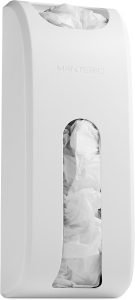
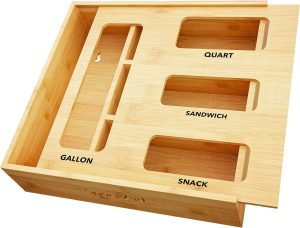
Mount a slim bag dispenser for grocery bags on the inside of the door. Use a zip-bag organizer for sandwich/quart/gallon sizes in a drawer or on a shelf. Keep trash bags on a dowel or in a bin at the bottom.
How to organise pantry for a small space?
- Use an over-the-door pantry organizer for packets and wraps.
- Choose extra-long bins as pull-outs for deep shelves.
- Favor stackable containers over baskets to use vertical height.
- Keep a single backstock bin up high to prevent clutter.